
Global Scientia Perspectives
DOI: GS2025120002 Original Research Article
A Scalable Web-Based Framework for High-Resolution Figure Validation and Automated Manuscript Preparation
Amol Ranade
Corresponding Author
Co-authors:
Suhani Sah
Department of Digital Systems Engineering, India

Abstract

High-resolution figures and consistent document formatting are essential requirements in modern academic publishing. Many manuscript rejections occur due to non-compliance with technical guidelines such as image resolution, figure dimensions, and layout consistency. This demo manuscript presents a scalable, web-based framework designed to assist authors and publishers in validating manuscript figures and automating document preparation workflows. The framework focuses on validating image resolution (minimum 300 DPI), pixel dimensions, aspect ratios, and file integrity during manuscript submission. Additionally, it supports structured content handling, automated pagination, and export-ready layouts suitable for journal PDF generation.

The proposed system is implemented using client-side JavaScript for instant feedback and server-side PHP for secure validation and bulk processing. By combining real-time user interaction with robust backend verification, the framework reduces editorial workload and improves submission quality. This manuscript serves as a demonstration of structure, formatting, and content organization rather than a report of experimental findings.

Keywords

Manuscript preparation, image validation, DPI checking, web application, academic publishing, document automation

Introduction

Academic journals increasingly rely on digital submission systems to manage manuscripts efficiently. While content quality remains the primary evaluation criterion, technical compliance plays a critical role in the peer-review workflow. Figures with insufficient resolution, incorrect dimensions, or improper formats can delay publication or result in outright rejection. Therefore, automated tools that validate and standardize submissions are of significant value.

The proposed framework consists of three main components:

  1. Client-side validation module for immediate feedback on image size and resolution

  2. Server-side validation engine implemented in PHP for authoritative verification

  3. Manuscript layout manager responsible for structured content flow and export readiness

The system is designed to be modular and adaptable to different journal guidelines.
Materials and Methods

Uploaded figures are analyzed for pixel dimensions, calculated DPI, and format compliance. Images failing to meet predefined thresholds are flagged with descriptive error messages. Bulk uploads are supported to accommodate multi-figure manuscripts.

Applications and Use Cases

The framework is suitable for academic journals, conference proceedings, institutional repositories, and educational publishing platforms. It can also be extended to support automated figure labeling and metadata extraction.

Figures and Tables (Images)

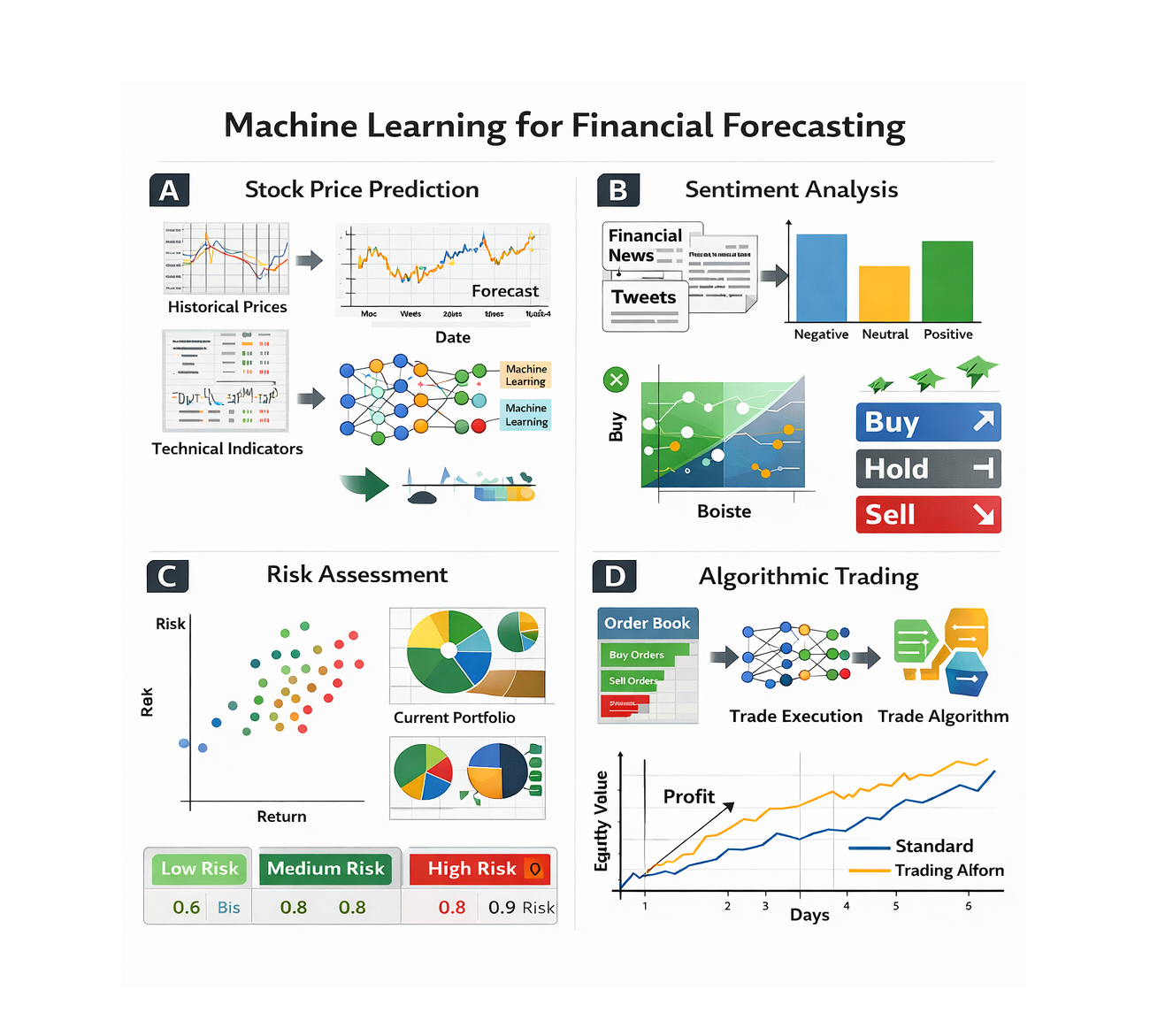
demo_figure23.png
demo_figure23.png

Conclusion

This demo manuscript illustrates a structured approach to presenting technical systems for academic publishing support. The described framework improves submission quality, reduces editorial overhead, and enhances author experience. Future enhancements may include AI-assisted layout checks and semantic content validation.

References

  1. Smith, J., & Allen, R. (2021). Digital Publishing Systems and Automation. TechPress.

  2. Kumar, P. (2020). Image quality standards in scholarly communication. Journal of Digital Media, 12(3), 45-52.

  3. Lee, M., & Chen, Y. (2019). Web-based document validation frameworks. International Journal of Information Systems, 8(2), 101-109.

  4. Brown, T. (2022). Managing large-scale manuscript submissions. Publishing Technology Review, 15(1), 5-14.